
A literary milestone becomes a starting point for thinking about language and cultural influence.
Historical profile based on public sources. Interpretation is identified within the article.
A clear historical milestone
Rabindranath Tagore received the Nobel Prize in Literature in 1913. The Nobel Foundation’s award record supplies the historical anchor for this short profile. We do not reproduce his poems here or present imagined quotations. Instead, the recognition becomes a starting point for an editorial discussion about how a writer’s work can enter conversations beyond its original language and setting.
Translation is also interpretation
When literature travels, it passes through translators, editors, readers and institutions. Each plays a role in making a voice accessible, while also shaping how it is understood. That process is neither a simple transfer nor a reason to avoid reading across languages. It invites attention to what a translation reveals and what a reader may still need to learn about its context.
Recognition is not the whole story
An international prize makes one part of a literary life highly visible. It does not tell readers everything about the work, the audience or the traditions surrounding it. A useful profile therefore treats recognition as an entry point. It encourages further reading rather than using a famous award as a substitute for engaging with the writing itself.
Influence through a wider imagination
Our editorial view is that cultural influence can expand the range of experiences people are able to recognise. A writer may change a conversation without holding formal office or directing an institution. Tagore’s Nobel milestone helps introduce that form of influence. The next step belongs to the reader: encounter the work, learn its context and allow the story to become larger than the label attached to it.
Sources and further reading
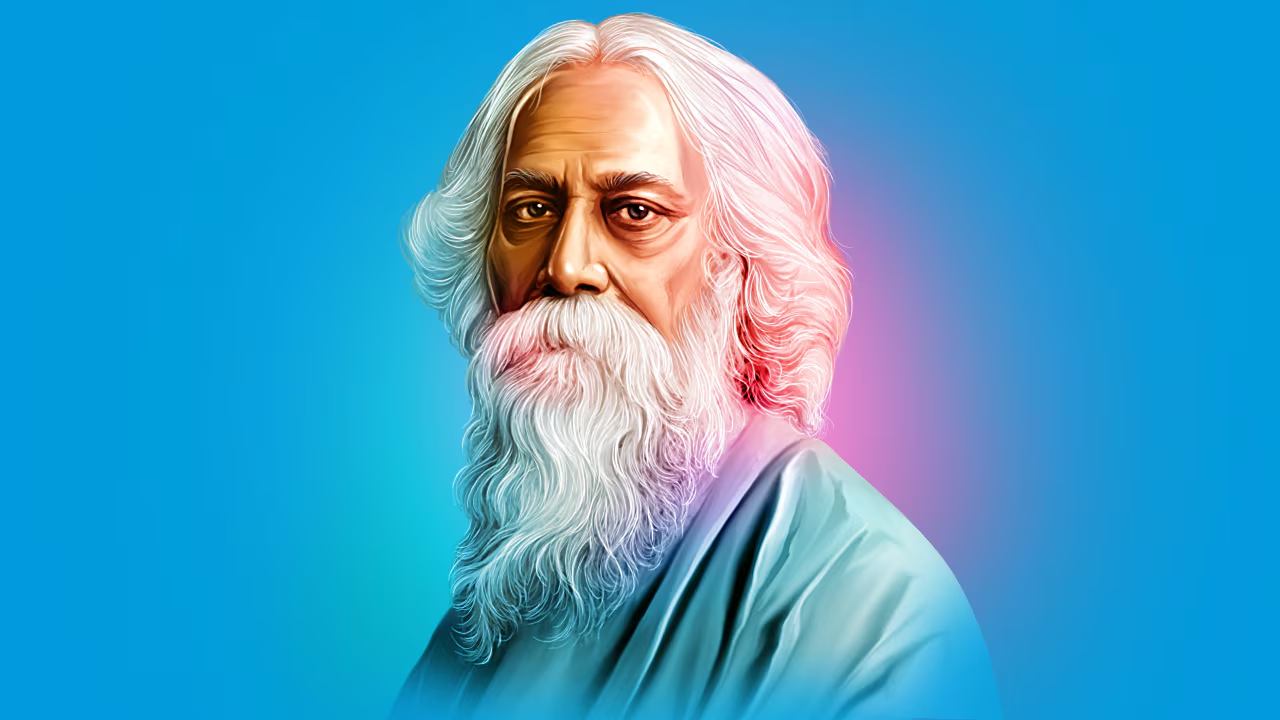
Illustration: AI-generated conceptual artwork for this topic. It does not depict a named profile subject or document an actual event.