
Behind the public return is a network of work that deserves to be seen.
Perspective / Original editorial commentary.
The return is the visible moment
A comeback is often told through the first public performance after a difficult period. That makes a clear narrative ending, but it may hide the decisions that made the return possible. A thoughtful story asks about planning, changed expectations and the people involved. It avoids assuming that determination explains every part of the process.
Respect what is private
An athlete’s prominence does not make every detail of their health or personal life public property. Reporting should distinguish what the athlete has chosen to disclose from what others speculate. A powerful story can be told without demanding intimate information. Accuracy and consent matter more than a dramatic account of hidden struggle.
Recognise different forms of success
Returning to a previous result is only one possible measure. An athlete may define progress through participation, confidence or a changed role. A profile should hear that account rather than impose a ready-made ending. This approach lets the subject remain a person with their own priorities, instead of a symbol required to satisfy an audience’s expectations.
Give the supporting work a place
Coaches, teammates and other support professionals often make practical adjustments that receive little attention. Their contribution belongs in the story when it can be documented. The comeback then becomes an account of coordinated work, not an isolated triumph of will. This perspective discusses storytelling and sporting culture, rather than providing rehabilitation or medical guidance.
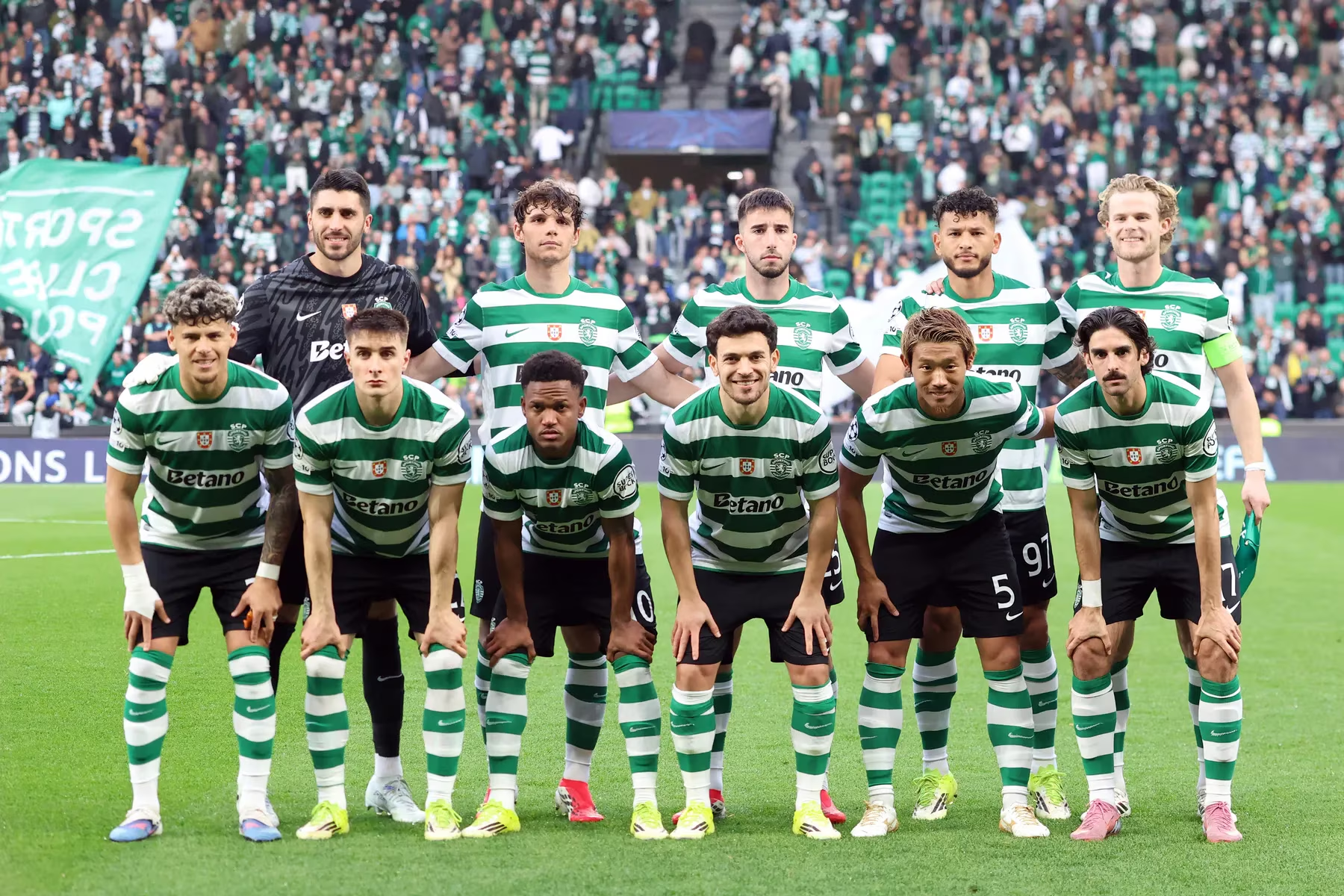
Illustration: AI-generated conceptual artwork for this topic. It does not depict a named profile subject or document an actual event.